What Is a Lower Parts Kit? AR-15 LPK Explained
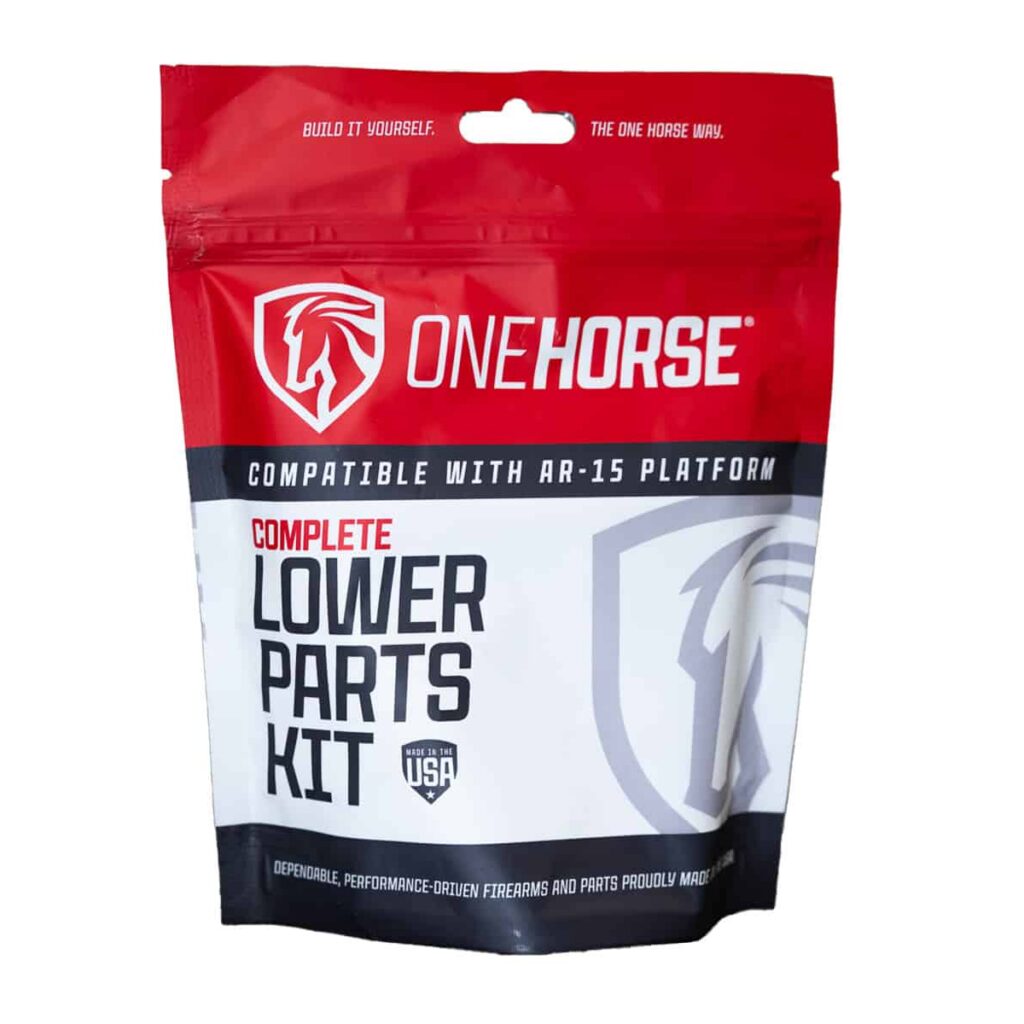
What’s in an AR-15 lower parts kit: fire control group, selector, bolt catch, pins, springs and detents. LPK vs LPK less FCG, and what a stripped lower still needs.

What’s in an AR-15 lower parts kit: fire control group, selector, bolt catch, pins, springs and detents. LPK vs LPK less FCG, and what a stripped lower still needs.
Kyle Wade on the October event outside Seymour, Indiana, and the November 8 launch of the One Horse Retro Express, Sarge and Archie, with the Atrius Forced Reset Selector (FRS).
Atrius Super Selektor (Atrius FRS) compatibility and install guide: the lower, bolt carrier, buffer and trigger it needs, installation overview and safety checks.
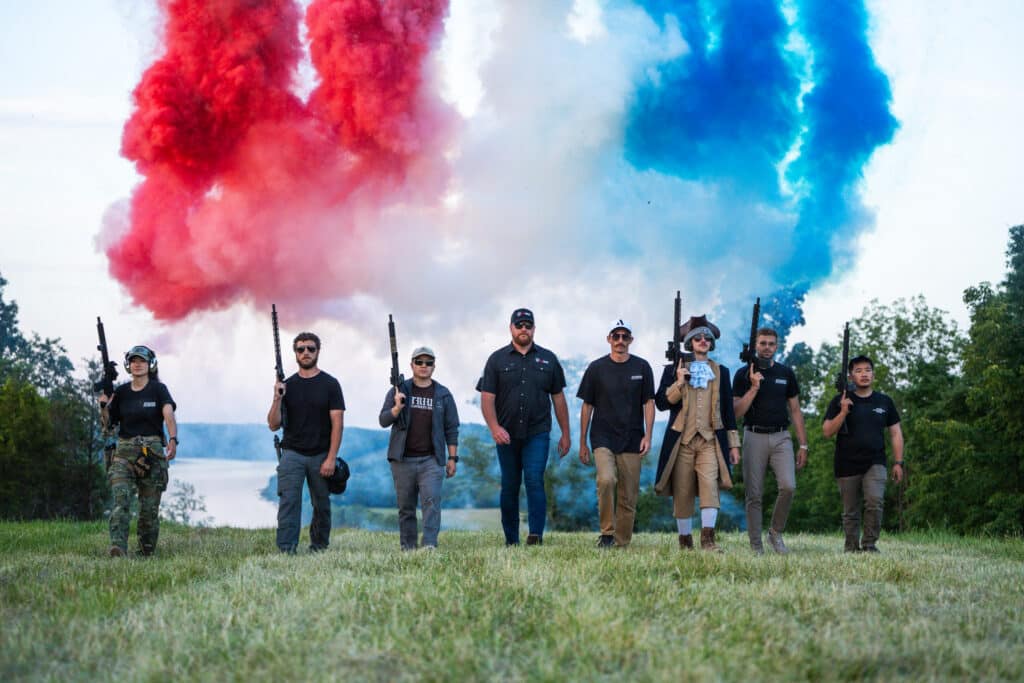
Forced Reset Technology explained: how forced reset works in an AR-15, what your rifle needs to run it, and Forced Reset Ready™ builds from One Horse.
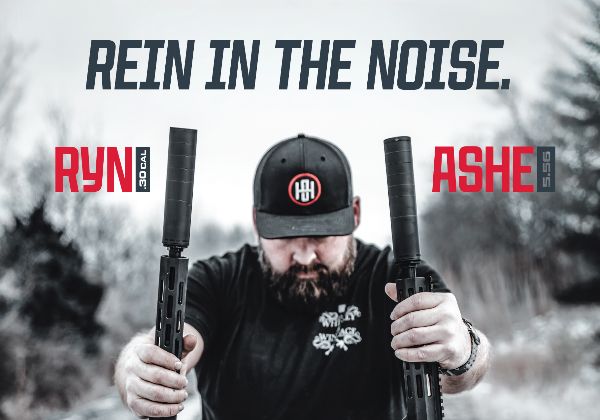
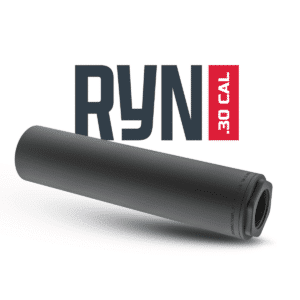
One Horse titanium suppressors: Ashe 5.56 at 5.4 oz and Ryn .30 cal at 6.4 oz. Grade 5 titanium, Plan B mount included. Made in Brownstown, Indiana.
Ashe 5.56 vs Ryn .30 cal: weights, threads, tested calibers, and Plan B mount included. Pick the One Horse titanium can that fits your rifles.
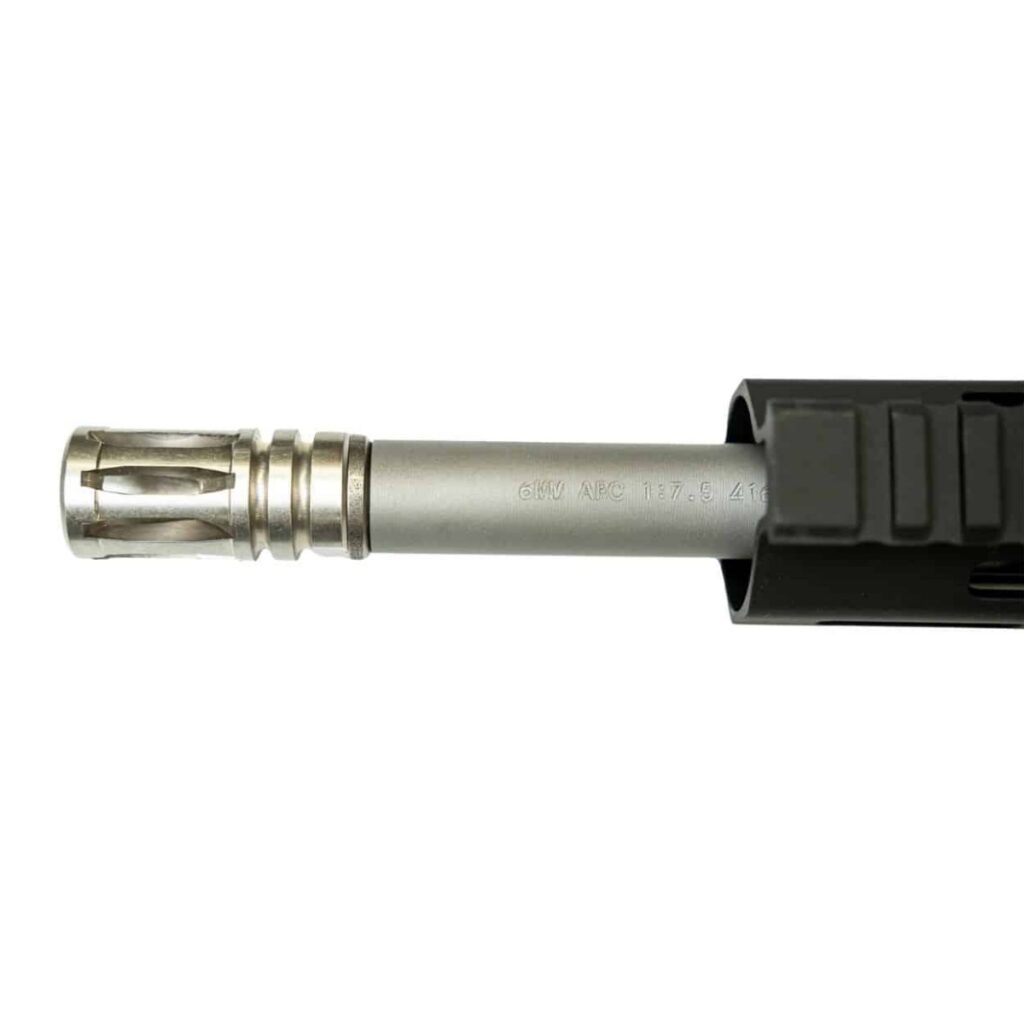
AR-15 muzzle thread chart: One Horse 5.56 NATO barrels are 1/2×28, .300 BLK barrels are 5/8×24. Match your muzzle device and suppressor mount.
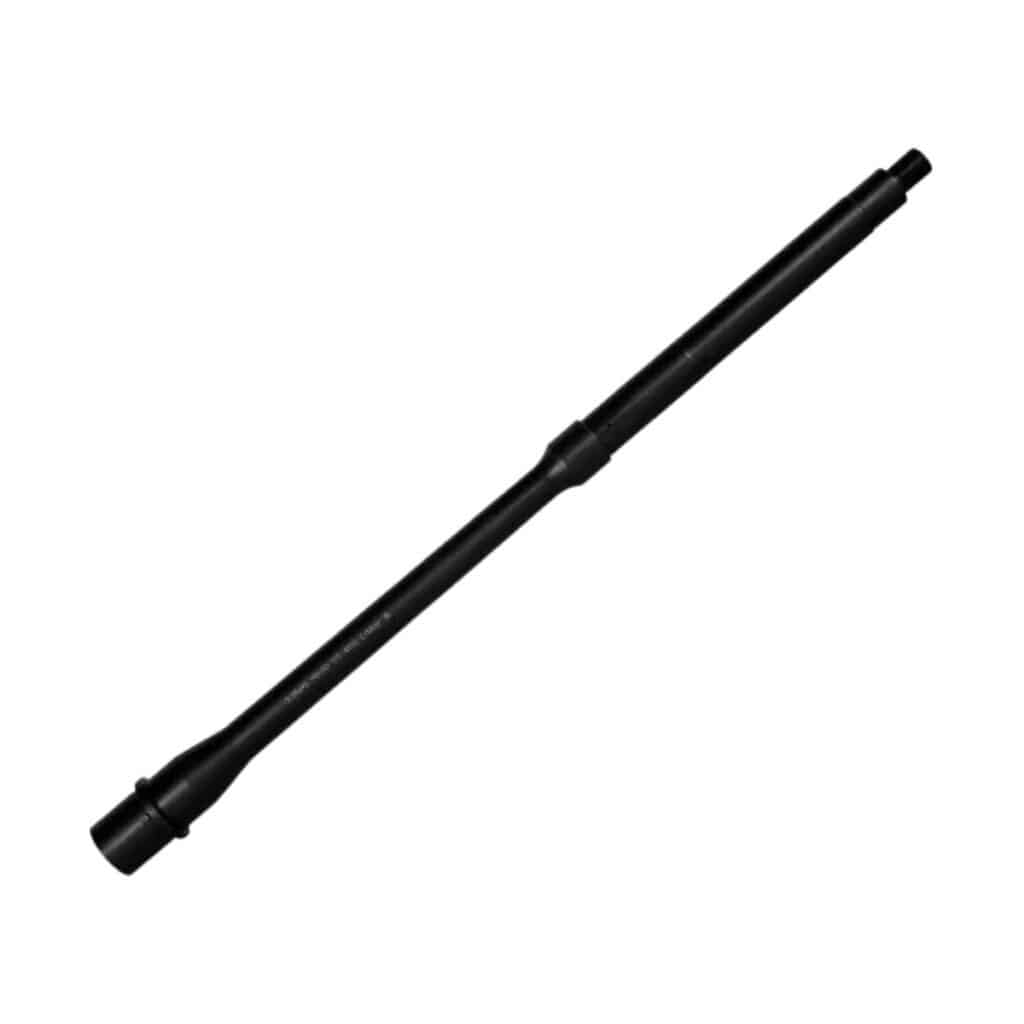
AR-15 gas system lengths explained, with the gas system of every One Horse 5.56 NATO and .300 BLK barrel, and how gas ties to buffer weight.
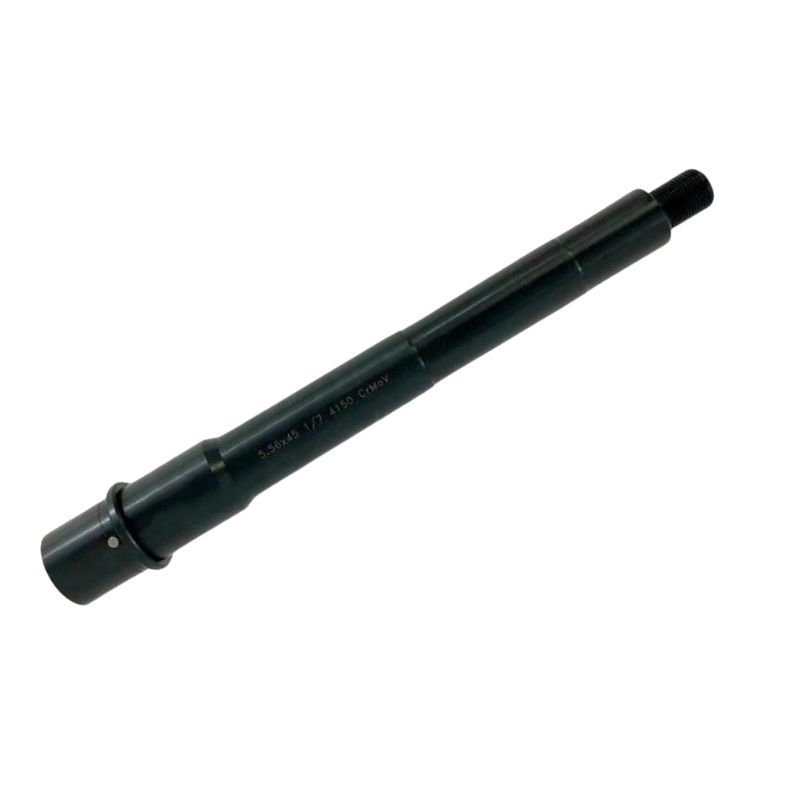
AR-15 barrel twist rate chart: One Horse .300 BLK barrels are all 1:7; 5.56 NATO barrels are 1:7 with a 1:8 16″ SOCOM. What 1:7 and 1:8 mean.
What a 5.56 NATO, .223 Wylde and .223 Remington chamber can safely fire, and how One Horse 5.56/.223 uppers are chambered.
Your cart's empty. Here's where most people start.
Free shipping on orders $399 or more